Understanding Grief: Key Differences in Counseling for Pet Loss vs. Human Loss
Grief after the death of a companion animal can be intense, personal, and clinically significant — often mirroring bereavement following human loss in depth and complexity. This article explains what distinguishes pet loss grief from human bereavement, why those differences matter for counseling approaches, and how specialized interventions can more effectively address disenfranchised loss, anticipatory grief, and euthanasia-related guilt. Readers will learn specific clinical contrasts, evidence-informed holistic modalities that support emotional completion, practical coping strategies, and where to find targeted services in San Diego and virtually. The guide maps core differences, contrasts therapy models, summarizes modality mechanisms, offers step-by-step coping options, and answers common questions readers bring when choosing grief support. Throughout, keywords like human vs pet grief support, disenfranchised grief pet loss, anticipatory grief pets, and specialized pet loss counseling are integrated to help readers and clinicians locate the most relevant guidance.
What Makes Pet Loss Grief Unique Compared to Human Loss Grief?
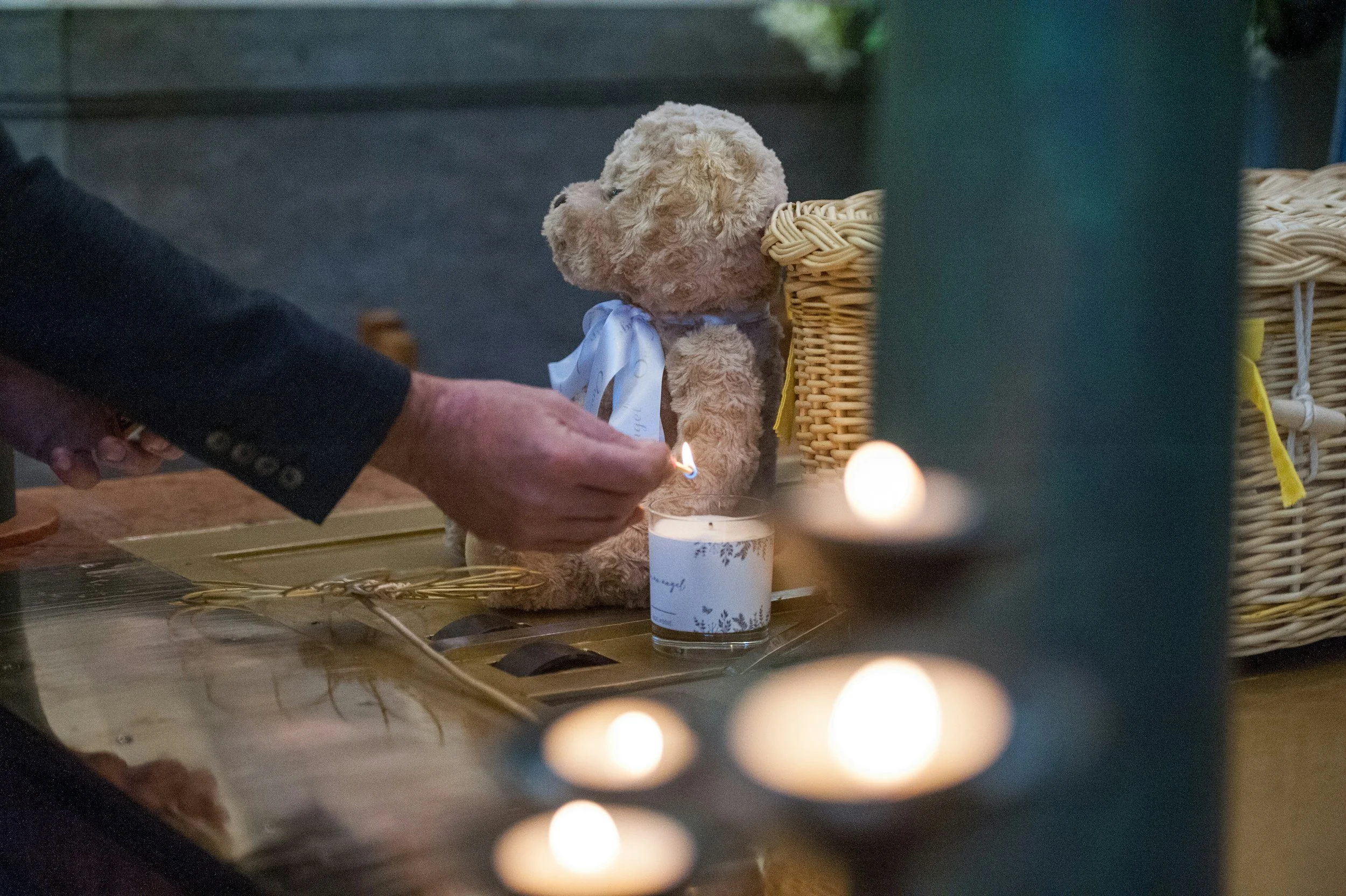
Pet loss grief often combines attachment rupture, daily-routine disruption, social minimization, and unique end-of-life decision trauma, creating a grief profile that differs qualitatively from many human bereavements. The human-animal bond frequently centers on nonjudgmental companionship and caregiving routines, so when a pet dies the loss can feel like losing a constant co-regulator of emotion and daily structure. Social recognition and ritual—funerals, workplace bereavement policies, communal mourning—are more readily available for human loss, and their absence for pet loss often produces disenfranchisement and delayed processing. Understanding these distinctions helps clinicians tailor interventions toward validation, ritual substitution, and targeted support for anticipatory and euthanasia-related guilt.
Pets often occupy caregiving roles and predictable daily rituals that create neurochemical attachments and practical interdependence. Below is a concise comparison that highlights the societal, ritual, and support differences clinicians should assess when forming treatment plans.
The following table summarizes key comparative attributes to guide clinicians and pet owners in recognizing how losses diverge and where therapeutic emphasis should fall.
Type of Loss
Societal Recognition / Rituals
Euthanasia Factor / Typical Support Sources
Pet Loss
Often limited public rituals, variable family recognition
Euthanasia decisions add anticipatory grief and post-decision guilt; primary support often informal (friends, vets)
Human Loss
Established rituals (funerals, memorials), workplace empathy more common
Usually no euthanasia; formal communal supports and bereavement services are more standardized
Companion Animal (long-term)
Daily routine disruption (feeding, walks), embodied co-regulation
Support often fragmented between veterinary care and personal networks
This comparison clarifies why validation-focused counseling and ritual creation are central to effective pet bereavement care, and it sets up the clinical priorities that follow.
How Does the Human-Animal Bond Influence Pet Loss Grief?
The human-animal bond is built on attachment, caregiving, and predictable co-regulation of emotions; these mechanisms produce strong neurochemical and behavioral ties that intensify grief when a pet dies. Neurobiological research and clinical observation show that oxytocin-mediated bonding and routine-based reinforcement create a sense of safety and identity that is lost with the animal’s death. In practice, owners frequently report a cascade of reminders from daily cues — empty bowls, silent leashes — each triggering acute grief responses. Therapists should assess attachment patterns and daily-routine interdependence to target interventions that rebuild regulatory structures and integrate continuing bonds.
These attachment dynamics naturally lead to questions about social validation and disenfranchisement, which can further complicate recovery.
What Is Disenfranchised Grief and How Does It Affect Pet Bereavement?
Disenfranchised grief occurs when a loss is not socially recognized or validated, leaving the mourner without customary supports and language to process sorrow. In pet bereavement, disenfranchisement shows up as dismissive comments, minimized time off work, or friends suggesting "it was just a pet," which amplifies isolation and self-doubt. Clinically, this can produce complicated grief trajectories: delayed expression, internalized shame, or failure to seek help. Effective counseling explicitly names disenfranchisement, provides validation, and helps clients construct alternative rituals and social scripts to legitimize their grief.
Repairing disenfranchisement is often a central early therapy task and naturally transitions into addressing anticipatory grief and euthanasia-related trauma when present.
How Do Anticipatory Grief and Euthanasia Grief Differ in Pet Loss?
Anticipatory grief unfolds before death as owners witness decline, make care decisions, and mentally rehearse loss; euthanasia grief often includes moral distress and intense post-decision questioning about "doing the right thing." Anticipatory grief allows some preparatory meaning-making but can also create prolonged stress and burnout. After euthanasia, owners may experience acute guilt, intrusive imagery, or loss of agency. Counselors can use validation, decision-reconstruction exercises, and targeted grief rituals to reframe the narrative, reduce self-blame, and support emotional integration after end-of-life decisions.
Addressing these decision-centered elements complements symptom-focused work and informs selection of modalities that support somatic and cognitive processing.
Why Is Pet Loss Grief Often Overlooked Compared to Human Grief?
Pet loss is overlooked due to cultural scripts that prioritize human bereavement, institutional gaps (limited bereavement leave, few formal pet-loss rituals), and a lack of public language for validating companion-animal grief. This oversight leads many grieving owners to conceal feelings or to receive inadequate social support, heightening loneliness and complicating recovery. Counselors can counteract minimization by normalizing grief responses, advocating for ritual substitutes, and helping clients communicate needs with employers and family. Building community-level awareness and accessible support options reduces the systemic barriers that prolong disenfranchised grief.
These systemic factors underscore why specialized counseling approaches differ from standard human bereavement models, which is the next topic.
How Do Pet Loss Grief Counseling and Human Grief Counseling Differ?
Pet loss counseling adapts bereavement principles to address disenfranchisement, routine-based attachment, euthanasia decisions, and often shorter, action-oriented therapy windows; human grief counseling typically assumes formal rituals and broader social supports. Traditional human bereavement models often focus on interpersonal dynamics, role loss, and family systems, whereas pet-focused therapy emphasizes validation, practical closure, and embodied interventions. Clinically, pet loss work frequently integrates ritual creation, somatic processing, and techniques to repair disenfranchisement so owners can achieve emotional completion. These distinctions inform session goals, outcome measures, and modality selection.
Understanding limits of talk-only approaches helps clinicians integrate modalities that accelerate emotional processing and reduce prolonged distress.
What Are the Limitations of Traditional Human Grief Counseling for Pet Loss?
Traditional human grief counseling can fall short because it sometimes assumes external validation, established rituals, or family-system frameworks that don't fit pet bereavement. Talk-heavy approaches may leave somatic symptoms, anticipatory stress, and decision-related guilt insufficiently processed. Additionally, standard protocols may not teach clients how to create alternative rituals or manage the unique reminders present in a pet-centered home environment. Clinicians should recognize these gaps and adapt by offering concrete action steps, somatic practices, and ritual-based interventions to facilitate closure.
Recognizing these limitations opens the way to specialized methods that directly address the emotional and practical contours of pet grief.
How Does Specialized Pet Loss Counseling Address Unique Emotional Needs?
Specialized pet loss counseling centers validation, ritual design, and tailored action plans to help clients honor their bond and complete grieving tasks. Sessions often include narrative reconstruction of the relationship, tools for continuing bonds (keepsakes, memorial actions), and structured assignments for processing triggers and routines. Therapists also guide decision-reconstruction after euthanasia and provide psychoeducation about disenfranchisement. The aim is measurable emotional completion and restored daily functioning, which typically involves a blend of talk, somatic exercises, and carefully chosen adjunct modalities.
This action-oriented framework naturally pairs with holistic modalities that support embodied release and cognitive reframing.
What Is the Role of Action-Oriented Healing in Pet Loss Therapy?
Action-oriented healing prioritizes concrete rituals, somatic techniques, and experiential exercises that allow grief to be processed in body and behavior as well as narrative. Examples include structured memorial rituals, guided breathwork to release somatic tension, and behavioral experiments to rebuild routines without avoidance. These interventions accelerate integration compared with talk-only therapy by creating embodied pathways for emotional release. When combined with validation and meaning-making, action-oriented work helps clients move from acute pain toward ongoing continuing bonds and functional daily life.
After outlining these therapeutic differences, the next section explains specific holistic modalities that clinicians commonly use.
Which Holistic Modalities Support Healing in Pet Loss Grief Counseling?
Holistic modalities target body-based regulation, energetic balance, and subconscious reframing to complement cognitive-emotional work in pet bereavement. Each modality operates through a distinct mechanism—energy balancing, vibrational somatic release, autonomic regulation, or subconscious reframing—and can shorten the time to emotional completion when integrated appropriately. Clinicians choose modalities based on client preferences, contraindications, and therapy goals, combining them with validation, ritual work, and behavioral strategies. Below are concise descriptions and practical expectations for four commonly integrated therapies.
The following table summarizes modalities, primary mechanisms, and typical session formats to help clinicians and clients set expectations.
Modality
Primary Mechanism
Benefit / Typical Session Format
Reiki Energy Healing
Energy balancing through hands-on or hands-off touch
Promotes emotional regulation; sessions are typically gentle, 30–60 minutes, and adjunctive
Sound Therapy
Vibrational entrainment and relaxation (bowls, tones)
Facilitates somatic release and access to suppressed emotions in 30–60 minute sessions
Conscious Connected Breathwork
Autonomic regulation via patterned breathing
Unlocks stored emotions and enables somatic processing in facilitated sessions
Clinical Hypnotherapy
Subconscious reframing and guided imagery
Addresses guilt and maladaptive narratives through focused trance work
How Does Reiki Energy Healing Aid Emotional Recovery After Pet Loss?
Reiki supports emotional recovery by promoting calm, reducing physiological arousal, and helping clients sense internal regulation after intense grief. Sessions involve gentle touch or non-contact energy work intended to shift tension patterns and foster a felt sense of safety, which can open the nervous system to processing grief. For many clients, Reiki creates a receptive state that enhances talk therapy and ritual experiences, enabling access to emotions that feel otherwise frozen. As an adjunct, Reiki is suitable for clients seeking gentle, supportive somatic work alongside cognitive-emotional interventions.
The calming effects of Reiki often make clients more receptive to somatic therapies such as breathwork and sound.
What Are the Benefits of Sound Therapy for Grief and Emotional Release?
Sound therapy uses vibrational frequencies—singing bowls, tuning forks, or recorded soundscapes—to entrain nervous system rhythms and support somatic release during grief processing. The vibrations can lower hyperarousal, induce relaxation, and create a nonverbal pathway to access feelings stored in the body. Sessions typically combine guided listening with mindful reflection, allowing clients to notice sensations and memories that emerge. Sound therapy pairs well with ritual work and can catalyze breakthroughs when words alone are insufficient for emotional expression.
By regulating the nervous system, sound therapy provides a bridge to breathwork and deeper integrative practices.
How Can Conscious Connected Breathwork Help Unlock Suppressed Emotions?
Conscious connected breathwork employs intentional, rhythmic breathing patterns to shift autonomic state, increase interoceptive awareness, and catalyze emotional release. Physiologically, breathwork alters CO2/O2 balance and vagal tone, creating conditions for stored grief to surface safely. Facilitated sessions include preparation, monitored breathing cycles, and careful integration afterward to process insights and sensations. Safety protocols—screening for medical contraindications and offering grounding practices—ensure breathwork supports rather than overwhelms. When combined with reflective integration, breathwork accelerates embodied processing and reduces somatic symptoms of grief.
These autonomic effects complement cognitive reframing approaches like clinical hypnotherapy for deeper guilt work.
How Does Clinical Hypnotherapy Address Guilt and Subconscious Patterns?
Clinical hypnotherapy accesses subconscious imagery and core beliefs to reframe guilt, reduce self-blame, and install compassionate internal narratives after pet loss. Through guided relaxation and suggestion, hypnotherapy can help clients revisit decisions with new perspective, access memories without retraumatization, and create internal rituals of forgiveness. Techniques such as regression, safe-place imagery, and cognitive restructuring within trance can modify maladaptive patterns that perpetuate rumination. Suitability screening and integration with talk therapy ensure hypnotherapy supports durable cognitive-emotional change and reduces chronic guilt.
Together, these modalities form a coherent toolbox that therapists can integrate into short, action-oriented programs for pet bereavement.
What Practical Support and Coping Strategies Help During Pet Bereavement?
Practical supports and coping strategies focus on memorialization, peer connection, and daily self-care to stabilize functioning while grief is processed. Clients benefit from concrete rituals that embody continuing bonds, structured group or peer support that normalizes feelings, and daily routines that restore regulation. Clinicians should offer clients a menu of actionable practices — from journaling prompts to movement-based grounding — and tailor options to the client’s cultural and personal context. Below are accessible approaches to memorials, groups, and self-care that clinicians can recommend and adapt.
The list below provides tangible memorial ideas and the therapeutic rationale behind each option.
Create a Keepsake Ritual: Preserve fur, collar, or a paw print to honor ongoing attachment.
Hold a Small Memorial: Invite close friends or family to share memories and allow social validation.
Plant a Living Tribute: Planting a tree or garden spot offers a tangible, evolving symbol of continuing bonds.
These memorial acts support continuing bonds, provide symbolic closure, and create opportunities for communal recognition, which are critical when wider social rituals are absent.
How Can Memorializing Your Pet Aid the Grieving Process?
Memorial rituals externalize grief and create structured meaning-making, which helps translate private loss into acknowledged experience. Keepsakes, ceremonies, and symbolic acts provide concrete anchors for continuing bonds and help restructure daily reminders into intentional practices rather than painful triggers. For many owners, memorials reduce isolation by signaling to others that the loss matters and by inviting communal acknowledgement. Counselors can co-design rituals with clients that fit personal values, cultural traditions, and therapeutic goals, turning memorialization into a measurable intervention for emotional completion.
These memorial practices often lead clients to seek peer support, which is the next helpful resource.
What Role Do Pet Loss Support Groups Play in Healing?
Support groups offer normalization, shared language, and practical coping strategies that reduce loneliness and provide models for adaptive grieving. Peer settings allow owners to tell their story, receive validation, and observe diverse grief trajectories, which can reduce shame and accelerate recovery. Group formats vary—closed-clinic groups, drop-in community meetings, or moderated online forums—and clinicians should help clients choose formats that match their needs for depth, confidentiality, and accessibility. Facilitated groups with a trained clinician often provide the safest container for intense emotion and structured meaning-making.
Participation in groups can be a bridge to more intensive individualized therapy or to adjunct holistic modalities described earlier.
Which Self-Care Practices Are Effective During Pet Grief?
Self-care for pet grief combines basic regulation (sleep, nutrition, gentle movement) with grief-specific practices like journaling prompts, ritual time, and paced exposure to reminders. Daily routines that include short walks, breath-focused grounding, and scheduled reflection reduce dysregulation and prevent avoidance patterns. Creative expression — art, photography, or letter-writing to the pet — supports continuing bonds and externalizes complex feelings. Clinicians should co-create brief, achievable self-care plans that emphasize consistency and gradual re-engagement with activities clients value.
Consistent self-care stabilizes the nervous system and makes clients more receptive to therapeutic interventions such as holistic modalities or brief action-oriented programs.
How Can Understanding Differences in Grief Improve Counseling Outcomes?
Recognizing pet loss as a distinct grief category enables targeted assessment, validation, and intervention that reduce complicated grief and improve measurable outcomes like reduced guilt and restored daily functioning. When therapists explicitly address disenfranchisement, anticipatory grief, and euthanasia-related moral distress, clients report clearer meaning-making and faster symptom relief. Tailoring interventions to the practical realities of pet routines and integrating somatic or ritual-based methods strengthens therapeutic alliance and efficacy. Evidence-informed practice recommends combining validation, ritual work, and selected modalities for the best prognosis in pet bereavement cases.
The following table shows therapist-focused attributes and expected benefits of specialized pet loss programs to guide clinical decision-making.
Therapeutic Focus
Counselor Action
Expected Client Outcome
Validation of Loss
Explicitly name disenfranchisement
Reduced shame, increased help-seeking
Ritual and Closure
Co-create memorial practices
Stronger continuing bonds, symbolic completion
Somatic/Holistic Integration
Add breathwork, sound, or Reiki
Accelerated emotional release, nervous system regulation
Why Is Recognizing Disenfranchised Grief Important for Therapists?
Recognizing disenfranchised grief prevents misdiagnosis and under-treatment by validating experiences that clients often hide or minimize. Therapists who acknowledge social invalidation and its effects can prioritize corrective experiences—explicit acknowledgment, ritual creation, and social scripts—which directly address the barriers to processing. This approach reduces isolation, diminishes prolonged rumination, and increases the likelihood of clients completing grief tasks. Training in language and interventions for disenfranchisement is therefore essential for clinicians working with pet bereavement.
This clinician-level validation naturally supports advocacy efforts to improve societal supports for grieving owners.
How Does Societal Support Impact Grief Recovery for Pet Owners?
External supports—empathetic friends, workplace flexibility, community rituals—buffer distress and shorten recovery timelines, whereas lack of support exacerbates isolation and risk for prolonged grief. Societal recognition provides opportunities for meaning-making and communal mourning that are often absent for pet loss, so therapists may need to help clients construct substitute supports. Advocating for compassionate workplace policies and raising awareness about pet bereavement contributes to better outcomes at the community level. When societal supports improve, individual recovery becomes more feasible and less pathologized.
These societal factors are part of the rationale for specialized, accessible programs that combine validation with practical modalities.
What Are the Psychological and Emotional Benefits of Specialized Pet Loss Programs?
Specialized programs that combine validation, ritual work, and adjunct modalities produce measurable benefits: reductions in guilt and intrusive thoughts, improved sleep and daily functioning, and stronger continuing bonds that support healthy memory integration. Short, structured programs with action-oriented elements often lead to quicker relief than open-ended talk therapy because they target embodied and behavioral aspects of grief. Clients report feeling seen and supported, which increases adherence and openness to transformational exercises. These outcomes justify offering dedicated pet bereavement tracks within broader counseling services.
Programmatic benefits set the stage for practical FAQs and program descriptions in the next section.
What Are Common Questions About Pet Loss Grief Counseling vs. Human Grief?
People commonly ask whether pet grief is "normal" at the intensity they feel, how long it lasts, whether animals grieve each other, and what specific programs offer emotional completion. Clear, concise answers help normalize reactions and guide decisions about when to seek specialized counseling. Below are evidence-informed responses tailored for owners and clinicians alike, designed for clarity and snippet-readiness.
The FAQ-style answers below provide direct guidance and practical thresholds for seeking care.
Is It Normal to Grieve a Pet as Deeply as a Human Loved One?
Yes. Research and clinical consensus indicate that attachment to a companion animal can mirror close human attachments, producing comparable grief reactions including sadness, numbness, and functional impairment. The intensity of grief correlates with attachment style, role loss, and the daily-regulation functions the animal served. Normalizing this experience reduces shame and supports help-seeking, which is a key therapeutic step toward recovery.
Because timelines vary, the next FAQ addresses duration and when to consider additional support.
How Long Does Pet Loss Grief Typically Last?
Pet loss grief duration varies widely: acute intensity often lasts weeks to months, while elements of grief can persist for years as part of continuing bonds. Factors influencing duration include attachment depth, circumstances of death, social support, and prior mental health. Seek specialized counseling when grief causes persistent functional impairment, severe guilt, or intrusive symptoms lasting beyond several months. Early targeted interventions can shorten intense phases and improve long-term adjustment.
Understanding animal grief can also inform owner expectations, which the next answer covers briefly.
Can Animals Grieve the Loss of Other Animals?
Yes; companion animals can show behavioral signs of loss—changes in appetite, altered sleep, searching behavior, and withdrawal—that veterinarians recognize as grief-like responses. These behaviors both reflect animal welfare needs and can compound owner distress, reinforcing the importance of addressing grief in the household system. Providing routine, enrichment, and monitored social opportunities helps both surviving animals and owners adjust.
The final FAQ here summarizes how a structured program supports emotional completion.
How Does The Guides Holistic Therapies’ Program Support Emotional Completion?
The Guides Holistic Therapies offers a targeted, action-oriented 6-session Pet Loss Grief Recovery Program designed to guide owners toward emotional completion through structured interventions and integrative modalities. Sessions emphasize validation, ritual creation, somatic tools, and focused modalities to address guilt, disenfranchisement, and routine disruption. The program blends therapeutic talk with modalities described above to accelerate processing and restore daily functioning in a measurable way.
For booking details and practical access, the San Diego services section outlines availability and pricing.
Where Can Pet Owners Find Specialized Grief Counseling and Support in San Diego?
Pet owners seeking specialized grief counseling can access both in-person services in San Diego neighborhoods and virtual sessions that offer scheduling flexibility and geographic reach. In-person sessions provide embodied presence and local support options, while virtual work increases accessibility for busy or remote clients. Transparent pricing, insurance-friendly billing, and a clear consult pathway reduce barriers to care and encourage early help-seeking. Below is a service-options table summarizing formats, durations, and pricing to guide decisions about next steps.
Service Option
Format / Duration / Price
Accessibility / Coverage
In-person sessions (San Diego: La Jolla, Pacific Beach)
90-minute sessions; offered in structured packages
Local, embodied support; community resource referrals available
Virtual sessions
90-minute virtual options with same program structure
Accessible across regions; scheduling flexibility
The Guides’ 6-session Pet Loss Program
6 sessions, action-oriented; package pricing $160 per 90-minute session for the 6-session package or $200 for a single session
HSA/FSA accepted; Superbills available; free 20-minute wellness consult offered
What Are the Benefits of In-Person vs. Virtual Pet Loss Counseling Sessions?
In-person sessions offer embodied presence, easier incorporation of hands-on modalities, and proximity to local memorial or veterinary supports, which can deepen the therapeutic container. Virtual sessions increase accessibility, remove geographic barriers, and often fit better into busy schedules, enabling continuity of care during travel or relocation. Clinicians should discuss client preferences, therapeutic goals, and modality suitability when recommending format; some modalities (e.g., Reiki or sound work) may be adapted for virtual delivery while others are more potent in person.
Choosing the right format depends on client needs, modality choice, and logistical constraints.
How Does Transparent Pricing and Accessibility Enhance Counseling Experience?
Clear pricing, acceptance of HSA/FSA, and availability of Superbills reduce financial uncertainty and increase trust, making it easier for clients to commit to the work of grief counseling. When clients know session lengths, package discounts, and insurance-friendly documentation options up front, they can focus on healing rather than logistical stress. Transparency also supports equitable access by allowing clients to plan and prioritize care. Offering a free 20-minute wellness consult further lowers the barrier to initiating support and helps match client needs with appropriate services.
These practical access measures encourage timely help-seeking and sustained engagement in therapy.
Who Is Kimberly Blair and What Is Her Role in Pet Loss Grief Counseling?
Kimberly Blair is identified as a contact associated with the pet loss grief offerings described in this article and is involved in providing or coordinating grief support services. For clients seeking specialized pet bereavement work, referencing the practitioner’s profile through the service provider is the appropriate next step for understanding qualifications and availability. Clinicians and clients can use the consult opportunity to assess fit and review program structure, modalities, and scheduling.
This completes the service and access information necessary to make an informed decision about beginning grief support.
If you’re struggling: Consider a brief consult to clarify needs.
If guilt is central: Look for programs that include subconscious reframing and ritual work.
If isolation is severe: Seek group options or community resources to normalize feelings.
Each of these steps helps translate understanding into practical next steps for recovery and connection.