Pet Loss Grief Counseling: How to Heal After the Loss of a Beloved Animal
Losing a beloved pet can be one of the most heartbreaking experiences of a lifetime. For many people, the grief that follows feels overwhelming, confusing, and deeply isolating. You may find yourself wondering why the pain feels so intense—or even questioning whether your grief is “valid.”
It is.
Pet loss grief is real grief. And for many, it can be just as profound as losing a human loved one.
As a grief counselor specializing in pet loss grief counseling in San Diego, I work with people every day who are struggling after the death of a dog, cat, or animal companion. This article is here to help you understand why pet loss hurts so deeply, what you may be experiencing, and how compassionate, specialized support can help you move toward healing—without rushing, minimizing, or “getting over” your love.
Why Pet Loss Grief Hurts So Deeply
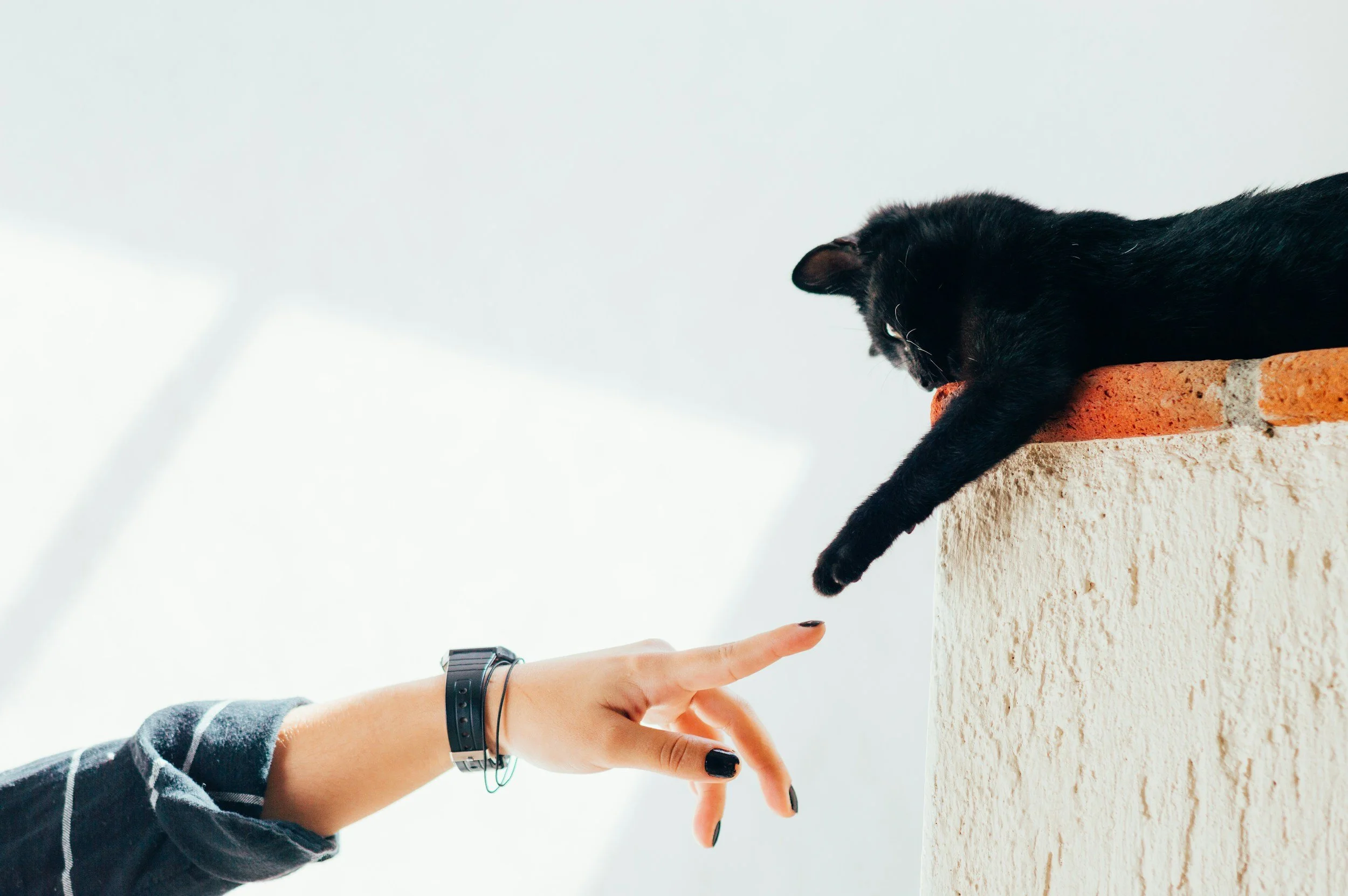
The bond we share with our pets is unique. Animals love us without conditions, expectations, or judgment. They witness our daily lives, our routines, our quiet moments, and our hardest days.
For many people, pets are:
Primary attachment figures
Sources of emotional regulation
Companions through major life transitions
Symbols of safety, routine, and unconditional love
When a pet dies, the nervous system doesn’t register “loss of an animal.”
It registers loss of safety, attachment, and emotional regulation.
This is why pet loss grief can feel:
Sudden and destabilizing
Physically painful
Disorienting to identity and routine
And yet, society often minimizes this type of grief.
This is known as disenfranchised grief—grief that is not openly acknowledged or socially supported. Comments like “It was just a pet” or “You can always get another one” can leave people feeling ashamed for hurting as deeply as they do.
👉 If you’re experiencing this, you’re not weak—you’re grieving a real bond.
Grief & Loss Counseling
Common Symptoms of Pet Loss Grief
Pet loss grief doesn’t only live in the mind—it lives in the body and nervous system as well.
Emotional Symptoms
Waves of sadness or crying spells
Guilt or regret about decisions made
Anger (at yourself, others, or circumstances)
Anxiety or fear around future loss
Numbness or emotional shutdown
Physical Symptoms
Fatigue or exhaustion
Tightness in the chest or throat
Changes in appetite
Trouble sleeping or vivid dreams
Aches, heaviness, or shallow breathing
Behavioral Changes
Avoiding places or routines tied to your pet
Keeping belongings untouched—or needing to remove them quickly
Difficulty concentrating
Withdrawing socially
Spiritual or Existential Questions
Wondering where your pet’s spirit is
Searching for signs or continued connection
Questioning meaning, life, or mortality
All of this is normal.
Grief is not linear, and pet loss grief often resurfaces unexpectedly—especially during quiet moments or routines once shared with your animal.
👉 Practices like breathwork for emotional release can gently support the nervous system when grief feels overwhelming.
Breathwork for Emotional Release
Why Traditional Talk Therapy Isn’t Always Enough for Pet Loss
While talk therapy can be helpful, many people notice that talking alone doesn’t fully touch pet loss grief.
That’s because grief isn’t only a cognitive experience—it’s somatic and neurological.
Pet loss often lives in:
The nervous system
The body’s stress response
Subconscious memory and attachment patterns
You may understand that your pet has passed, yet your body still expects to hear their footsteps, feel their presence, or follow familiar routines.
This disconnect can create:
Rumination
Difficulty sleeping
Persistent anxiety or sadness
Integrative approaches—like hypnotherapy, reiki, and somatic grief work—help grief move through the body rather than staying stuck in the mind.
👉 Hypnotherapy can be especially supportive for grief-related insomnia, intrusive thoughts, and emotional looping.
Hypnotherapy Pillar Page
How Pet Loss Grief Counseling Supports Healing
Pet loss grief counseling offers a space where your grief is not minimized, rushed, or judged.
In specialized pet loss grief work, we focus on:
Creating a Safe Container
You are allowed to talk about your pet freely—your bond, your love, your pain—without explanation or justification.
Processing Unfinished Emotional Business
Many people carry guilt, regret, or “if only” thoughts after a pet’s death. Grief counseling gently supports emotional completion without self-blame.
Honoring the Bond (Not Erasing It)
Healing does not mean forgetting your pet. It means finding a way to carry the love without carrying constant pain.
Regulating the Nervous System
Grief can keep the body in fight-or-flight. Somatic tools help restore a sense of safety and grounding.
👉 Learn more about the Pet Loss Grief Program offered at The Guides Holistic Therapies.
Pet Loss Program Page
Complementary Healing Modalities for Pet Loss Grief
Pet loss grief is layered, and many people benefit from a multi-modal approach.
Reiki for Nervous System Regulation
Reiki offers gentle energetic support, helping calm the nervous system and create space for grief to soften without force.
👉 Reiki
Breathwork for Emotional Release
Conscious connected breathwork allows stored grief to move through the body, often releasing emotions that words cannot access.
Hypnotherapy for Sleep, Anxiety, and Guilt
Hypnotherapy works with the subconscious mind to ease emotional loops, support rest, and integrate loss more gently.
These approaches can be used individually or woven into grief counseling depending on your needs.
What to Expect in a Pet Loss Grief Counseling Program
If you’re considering pet loss grief counseling in San Diego, here’s what the process typically looks like:
Complimentary Wellness Consultation
We begin with a free consultation to understand your loss, your symptoms, and what kind of support feels most aligned.
Personalized Session Plan
Sessions are tailored to you—there is no “right” timeline or formula for grief.
In-Person or Phone Sessions
In-person sessions are offered in Pacific Beach and La Jolla, with phone sessions available when needed.
Gentle Integration Over Time
Grief work unfolds gradually. The goal is not to eliminate grief, but to help it soften and integrate so life can expand again.
Frequently Asked Questions About Pet Loss Grief
Is pet loss grief real grief?
Yes. Research shows that the bond between humans and animals activates the same attachment systems as human relationships. The grief is real and valid.
How long does pet loss grief last?
There is no timeline. Some people feel acute grief for months, others for longer. Healing happens at your own pace.
Should I get another pet to heal faster?
Getting another pet does not replace the one you lost. It’s important to grieve fully before making that decision.
Can pet loss grief cause physical symptoms?
Absolutely. Grief often shows up as fatigue, pain, sleep issues, and nervous system dysregulation.
Do you offer pet loss grief counseling in San Diego?
Yes. I offer specialized pet loss grief counseling with in-person sessions in San Diego and phone options as well.
You Don’t Have to Carry This Alone
The loss of a beloved pet can feel lonely—but you don’t have to move through it unsupported.
If you’re grieving and longing for compassionate, grounded support, I invite you to book a complimentary wellness consultation to explore what healing might look like for you.
👉 Book a Complimentary Consultation
👉 Contact The Guides Holistic Therapies
Your love mattered. Your grief matters. And healing is possible—without letting go of the bond that meant so much.