Pet Grief Help: Why Losing a Cat or Dog Hurts So Much (and What Actually Helps)
If you’re searching for pet grief help, something in you already knows—this kind of loss is different.
Losing a pet can feel disorienting. One day your dog or cat is part of every small moment. The next, there’s a quiet that doesn’t make sense yet.
If you’re grieving a dog or cat, this isn’t “too much.”
It’s a reflection of how deeply you loved.
Why Pet Loss Grief Feels So Intense
Your relationship with your pet wasn’t casual—it was consistent, physical, and emotionally safe.
When they’re gone, you’re not just missing them. You’re missing:
Daily routines (feeding, walking, bedtime)
Physical closeness (their presence, their weight, their warmth)
A steady source of comfort and regulation
This is why pet loss grief support often needs to go beyond talking.
Your body feels the loss, not just your thoughts.
The Parts of Pet Grief No One Talks About
When you’re grieving a dog or cat, you might notice things you didn’t expect:
The silence
The house feels different. Not just quieter—emptier.
The habits
You still reach for them. You still expect them to be there.
The guilt
“Did I do enough?”
“Did I wait too long?”
“Did I make the right decision?”
The delayed grief
Sometimes it doesn’t hit right away.
It shows up days or weeks later, often in waves.
All of this is normal.
This is how attachment unwinds.
What Actually Helps When You’re Grieving a Pet
There’s no way to skip grief—but there are ways to support yourself through it.
1. Let it be real
You don’t have to downplay this loss for anyone else’s comfort.
This mattered. They mattered.
2. Stay connected in a new way
Healing doesn’t mean disconnecting.
It can look like:
Saying their name
Looking at photos
Creating a small space to honor them
Love doesn’t end. It shifts.
3. Support your nervous system
Grief can feel overwhelming because your body is trying to process change.
Simple support helps:
Breathing slowly and intentionally
Sitting with your body instead of fighting it
Using guided practices to regulate your system
4. Give yourself more time than you think you need
There is no clean timeline for this.
You don’t “move on” from your pet.
You learn how to carry them differently.
When You Need More Than Just Getting Through the Day
Sometimes you need more than time—you need support that actually meets you where you are.
Pet Grief Relief is designed as a space for real pet loss grief support, not surface-level advice.
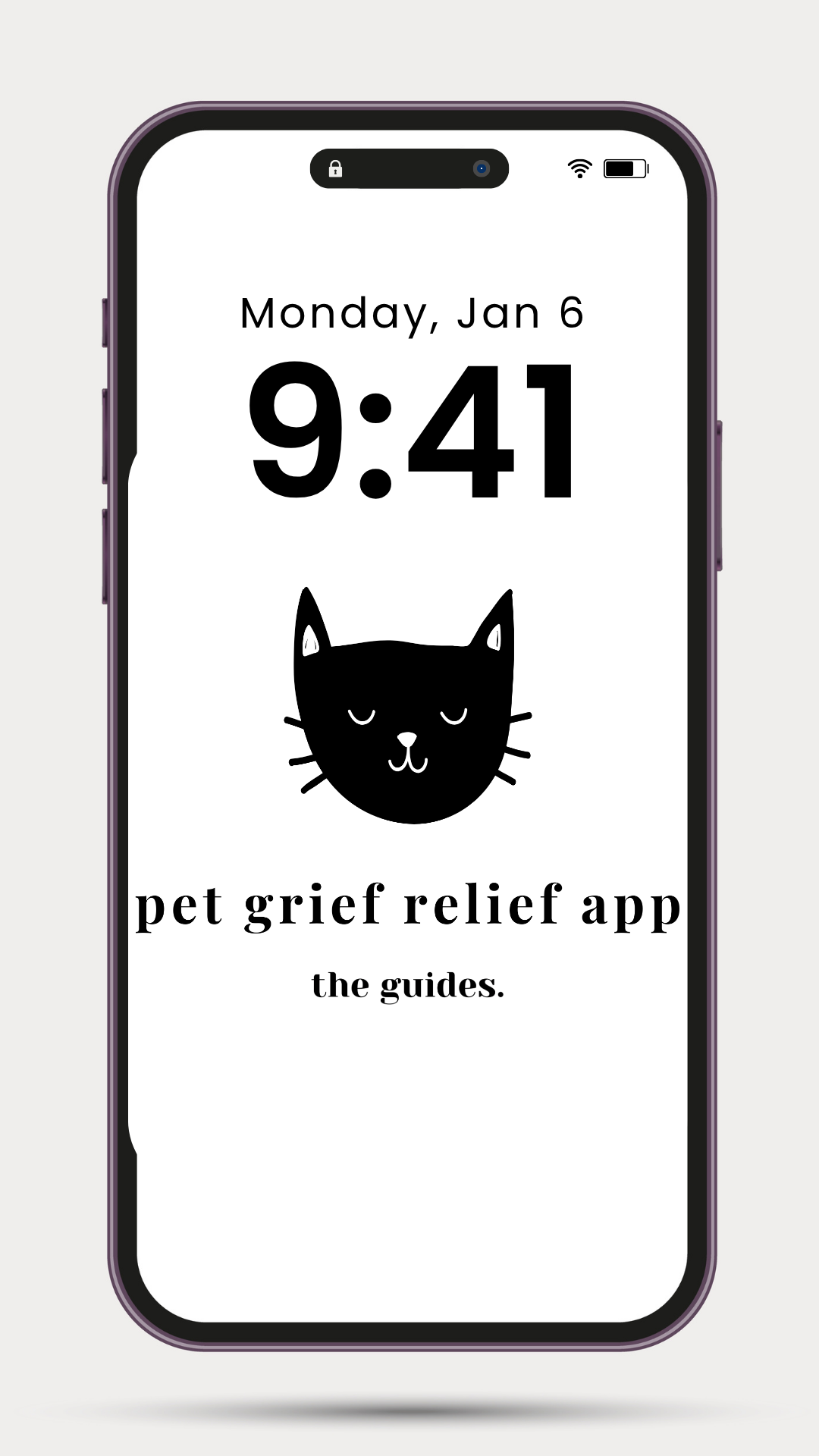
Inside the app:
Guided meditations for grieving a dog or cat
Breathwork to help with anxiety, guilt, and overwhelm
Reflection tools to process the relationship and the loss
A memorial space to stay connected
It’s there for the moments that are hardest:
The quiet house
The late-night waves of grief
The unexpected reminders
👉 If you’re looking for pet grief help, you can explore the app here: https://petgriefrelief.app/
You’re Allowed to Grieve This Fully
Losing a pet can shake something deep.
Not because you’re fragile—
but because the bond was real.
Take this one moment at a time.
That’s enough.