How to Cope with Pet Loss: Compassionate, Practical Grief Support and Healing
Losing a beloved animal companion is one of the most painful losses a person can face. Pet grief is real, and it deserves clear information, gentle guidance, and practical tools. This guide describes common grief reactions, maps emotional phases you may experience, and offers straightforward coping steps you can use now to steady daily life while moving toward healing. You’ll also find an evidence-informed look at how specialized pet bereavement counseling and time-limited programs promote emotional completion, and how holistic modalities can help release somatic tension. We cover memorial ideas, everyday self-care, how to speak with children and family, and both local and virtual access options so readers in San Diego and beyond can find appropriate support. Throughout, search-friendly phrases like how to cope with pet loss, pet loss grief counseling, and pet bereavement support are woven into practical steps and referral-ready descriptions to help you find comfort and forward motion after your pet’s death.
What Are the Stages of Pet Grief and Common Emotions?
Grief after a pet’s death often follows recognizable patterns because people are processing loss across thinking, feeling, and bodily systems. Learning the common stages can normalize your experience, lessen self-blame, and point you to specific actions that fit what you’re feeling right now. Common emotions include shock, denial, anger, bargaining, depression, acceptance, and, eventually, meaning. The short list below defines each stage so you can quickly identify where you are and what immediate steps might help.
What Are the 7 Stages of Pet Loss Grief?
These seven stages summarize frequent responses after a pet’s death. They’re a flexible map rather than a strict timeline: stages can repeat, overlap, or be skipped depending on your relationship and circumstances. Use this list to name what you’re feeling and choose supportive interventions.
Shock: Numbness and disbelief right after the loss; grounding and basic self-care are helpful first steps.
Denial: Difficulty accepting that the pet is gone; simple rituals and gentle reminders help reality settle in.
Anger: Frustration or fury aimed at situations, yourself, or others; safe expression and clear boundaries ease escalation.
Bargaining: Replaying “what ifs” and second-guessing choices; journaling or guided reflection can interrupt the loop.
Depression: Deep sadness, low energy, and waning interest; keeping small routines and social contact supports recovery.
Acceptance: Gradual integration of the loss with fewer intrusive thoughts; remembrance becomes more stable.
Meaning: Reconnecting with your values and finding purpose in the relationship; memorial acts and service often follow.
Remember: this framework is meant to guide, not to judge or confine your experience. The section below explains how guilt, sadness, and anxiety commonly show up across these stages.
How Do Guilt, Sadness, and Anxiety Manifest During Pet Bereavement?
Guilt often centers on care decisions—especially around euthanasia—or perceived mistakes. Sadness can feel like a steady low mood or tears triggered by everyday reminders. Anxiety may appear as intrusive worries, anticipatory fear, or panic about future losses. For example, owners who choose euthanasia commonly experience guilt even when the decision honored their pet’s welfare; naming the facts and talking it through with a compassionate listener helps shift blame into perspective. Short, practical tools include brief journaling exercises for guilt, scheduled low-intensity activity and reflective time for sadness, and grounding or breathwork practices for anxiety. Recognizing these distinct emotional shapes makes it easier to match the right coping strategy—self-compassion practices for guilt, gentle routine-building for sadness, and somatic calming for anxiety—so you can apply targeted supports across stages.
What Practical Coping Strategies Help Heal From Pet Loss?
Practical coping turns understanding into daily habits that lower emotional reactivity and restore functioning while honoring the loss. Effective approaches include memorialization, structured self-care, social connection, and knowing when to seek professional help. Combining actions from different areas usually brings faster, steadier relief. Below are high-impact strategies you can try now, followed by a compact comparison table to help you decide which to use and when.
Start short, predictable rituals each day to acknowledge the loss and hold a contained space for grief.
Rebuild a flexible routine that replaces caregiving tasks with small, meaningful activities and consistent sleep habits.
Use memorials—photos, ceremonies, keepsakes—to anchor memories and allow expression without avoidance.
Reach out to peers or a professional when grief interferes with daily life or becomes prolonged.
Include somatic practices—gentle movement, breathwork, or body-based therapies—to release stored tension tied to grief.
These actions form a practical scaffold for emotional work. The table below compares common coping options so you can choose what’s most useful right now.
Strategy
When to Use
Expected Benefit
Short daily rituals
Early grief and frequent reminders
Creates containment and permission to feel without becoming overwhelmed
Structured routine replacement
When caregiving tasks previously filled your time
Restores purpose, reduces rumination, and improves sleep and appetite
Memorialization activities
When memories trigger intense emotion or avoidance
Supports meaning-making and healthy remembrance
Peer support or groups
When isolation or shame grows
Provides empathy, normalization, and shared coping ideas
Somatic practices (breath, movement)
During anxiety spikes or somatic tension
Lowers physiological arousal and aids emotional regulation
Mixing strategies gives both short-term relief and longer-term integration. Next, we explore memorial ideas you can adapt to your needs.
How Can Memorializing Your Pet Support Emotional Healing?
Memorials create tangible ways to honor your relationship and help shift from active caregiving to intentional remembrance. Rituals make private grief visible and turn pain into shared meaning. Below are varied memorial ideas arranged by effort and cost, with a short note on why each one can help.
Photo album or digital slideshow: Keeps visual memories accessible and helps rebuild the story of your time together.
Planting a tree or garden: Offers a living, ongoing place of comfort and symbolism.
Keepsake jewelry or paw print casting: Preserves a physical connection you can touch for comfort.
Small ceremony or gathering: Lets friends and family share memories, validation, and ritual.
Create a memory box: Collect toys, collars, and notes for paced, reflective grieving.
These options range from simple to formal; each gives feelings a place to land. With memorial ideas in hand, the next section covers everyday self-care practices that support steady recovery.
What Self-Care Practices and Daily Adjustments Aid Grief Recovery?
Self-care after a pet’s death focuses on restoring basic physical and emotional stability through small, repeatable actions. Prioritize consistent sleep, gentle movement, balanced meals, and short check-ins with trusted people to anchor your day. Practical tips include setting two fixed times for light exercise, arranging brief social contact three times a week, and using a five-minute evening journaling practice to process intrusive thoughts. Protect your energy by saying no to extra obligations when you’re low, and try expressive arts—drawing, voice memos, or writing—to communicate feelings that may be too big for conversation.
These practices ease emotional regulation and prepare you to consider deeper support, including specialized counseling described next.
How Does Pet Bereavement Counseling Support Healing?
Pet bereavement counseling offers a structured, compassionate path to process grief. It blends evidence-based talk therapies with somatic practices and ritual work to help clients reach emotional completion more efficiently than going it alone. Counseling provides a safe relationship where narrative processing, meaning reconstruction, and body-based release happen in a planned way—reducing symptoms and helping you return to adaptive daily life.
Below is a comparison of common counseling components, followed by guidance on when counseling is recommended and the outcomes you can expect.
Counseling Component
Goal
Expected Outcome
Short-term structured program
Offer focused, measurable progression
Support toward emotional completion within a set timeframe
Somatic techniques (breath, movement)
Reduce physiological arousal and trauma residue
Lower anxiety and improved body regulation
Ritual integration
Create symbolic transitions and meaning
Healthier remembrance and less avoidance
Cognitive processing
Reframe guilt and unhelpful stories
Reduced rumination and self-blame
Peer/group elements
Normalize the experience and share validation
Greater social support and empathy
We recommend counseling when grief disrupts daily functioning, when guilt or trauma symptoms persist, or when you want a guided, action-focused route to integration. Typical outcomes include clearer meaning-making, fewer intrusive thoughts, restored routines, and an increased ability to hold joyful memories. The next subsection outlines a concise, session-by-session example of a structured 6-session Pet Loss Grief Recovery Program.
What Is the Structured 6-Session Pet Loss Grief Recovery Program?
A focused 6-session program offers a time-limited, step-by-step process with clear goals for each meeting to accelerate emotional completion and restore day-to-day functioning.
Session 1: Intake, safety planning, and immediate stabilization while setting goals.
Session 2: Narrative work to process the story of your loss and begin meaning-making.
Sessions 3–4: Integrate somatic practices and rituals to release embodied tension and integrate memories.
Session 5: Cognitive restructuring focused on guilt and unresolved decisions.
Session 6: Consolidate gains, create a memorial action plan, and set maintenance strategies.
This format fits people who want focused, compassionate, action-oriented support rather than diagnostic mental health treatment. Many clients notice meaningful change within the six-session window. The next section describes how complementary holistic modalities can deepen this work.
How Do Holistic Modalities Like Reiki and Breathwork Enhance Grief Counseling?
Holistic modalities support talk therapy by working directly with the body’s stored response to loss, offering release that words alone may not reach. Reiki promotes deep relaxation and lowered arousal, making narrative work more accessible; Conscious Connected Breathwork helps discharge trapped emotion and reduce anxiety; Sound Therapy uses vibration to calm the nervous system; and Clinical Hypnotherapy can aid memory reconsolidation and strengthen inner coping resources.
The brief comparison below clarifies how each modality works and when it’s most useful.
Modality
Mechanism
How It Supports Grief Processing
Reiki
Energy balancing via hands-on or hands-off touch
Encourages relaxation and lowers physiological arousal
Conscious Connected Breathwork
Structured breathing and circular breath patterns
Helps release trapped affect and reduce anxiety reactivity
Sound Therapy
Vibrational frequencies and guided listening
Helps regulate the nervous system and settle emotion
Clinical Hypnotherapy
Guided trance and therapeutic suggestion
Supports memory reframing and builds coping resources
When used alongside counseling, these modalities are applied strategically—breathwork for acute anxiety, Reiki to calm before narrative processing, sound therapy to integrate intense sessions, and hypnotherapy to reorganize difficult memories. Many structured programs combine approaches to deepen release and accelerate recovery. The next section explains where San Diego residents can find specialized support, both locally and online.
Where Can San Diego Residents Access Specialized Pet Grief Counseling?
San Diego residents can receive specialized pet grief counseling in local offices—neighborhoods like La Jolla and Pacific Beach offer in-person care—as well as via virtual sessions that widen access across regions. In-person work provides face-to-face containment, hands-on energy modalities, and easier coordination with vets or local aftercare providers. Telehealth offers convenience, scheduling flexibility, and the comfort of home while still delivering core therapeutic elements adapted for remote work. Consider whether you need embodied, in-person support for somatic modalities or whether virtual sessions better suit your schedule and comfort. The following subsections outline in-person options and practical tips for preparing for virtual counseling.
What In-Person Pet Loss Grief Support Is Available in San Diego?
Local in-person services often blend talk therapy with somatic and ritual elements for a holistic approach to grief. Practitioners can coordinate referrals to veterinarians, memorial services, and community groups. Formats include single-session consultations for urgent stabilization, structured multi-session programs for deeper processing, and small group rituals or memorial gatherings for shared remembrance. Tangible benefits of in-person care include co-regulation with the therapist, hands-on calming modalities, and streamlined follow-up referrals.
Choosing between a single session and a program depends on how acute your distress feels and what outcomes you want; the subsection below explains why virtual sessions may be the practical option for many people.
Many qualified San Diego practitioners offer both in-person and adapted telehealth formats to maintain continuity of care across service types.
How Do Virtual Sessions Provide Accessible Pet Bereavement Support?
Virtual pet bereavement counseling preserves core therapeutic elements—narrative processing, cognitive work, and guided somatic practices—while improving access. Benefits include no travel, easier scheduling, support from your own environment, and the ability to include distant family members in memorial planning. To get the most from a virtual session, choose a quiet private spot, have water and tissues nearby, and keep meaningful items (photos, a collar) within reach for reference. Check that your internet is stable, your device is charged, and use headphones for privacy and clearer audio. These simple steps make remote grief work effective and intimate.
When deciding between formats, weigh the added embodied tools available in person against telehealth’s flexibility and reach. The next section covers family- and child-focused approaches for grieving together.
Many providers offer both single-session triage and multi-session program tiers so clients can match intensity and duration to their needs.
How Can Families and Children Cope With Pet Loss Together?
Pet loss affects the whole household—children’s developmental understanding of death, family routines, and the behavior of surviving animals. Coordinated family approaches help everyone share consistent messages and meaningful rituals. A helpful plan includes age-appropriate explanations, shared memorial activities, and routines that assist both people and pets in adjusting. The following subsections provide scripts and activities by age group and steps to support other animals and family dynamics.
What Strategies Help Children Understand and Process Pet Death?
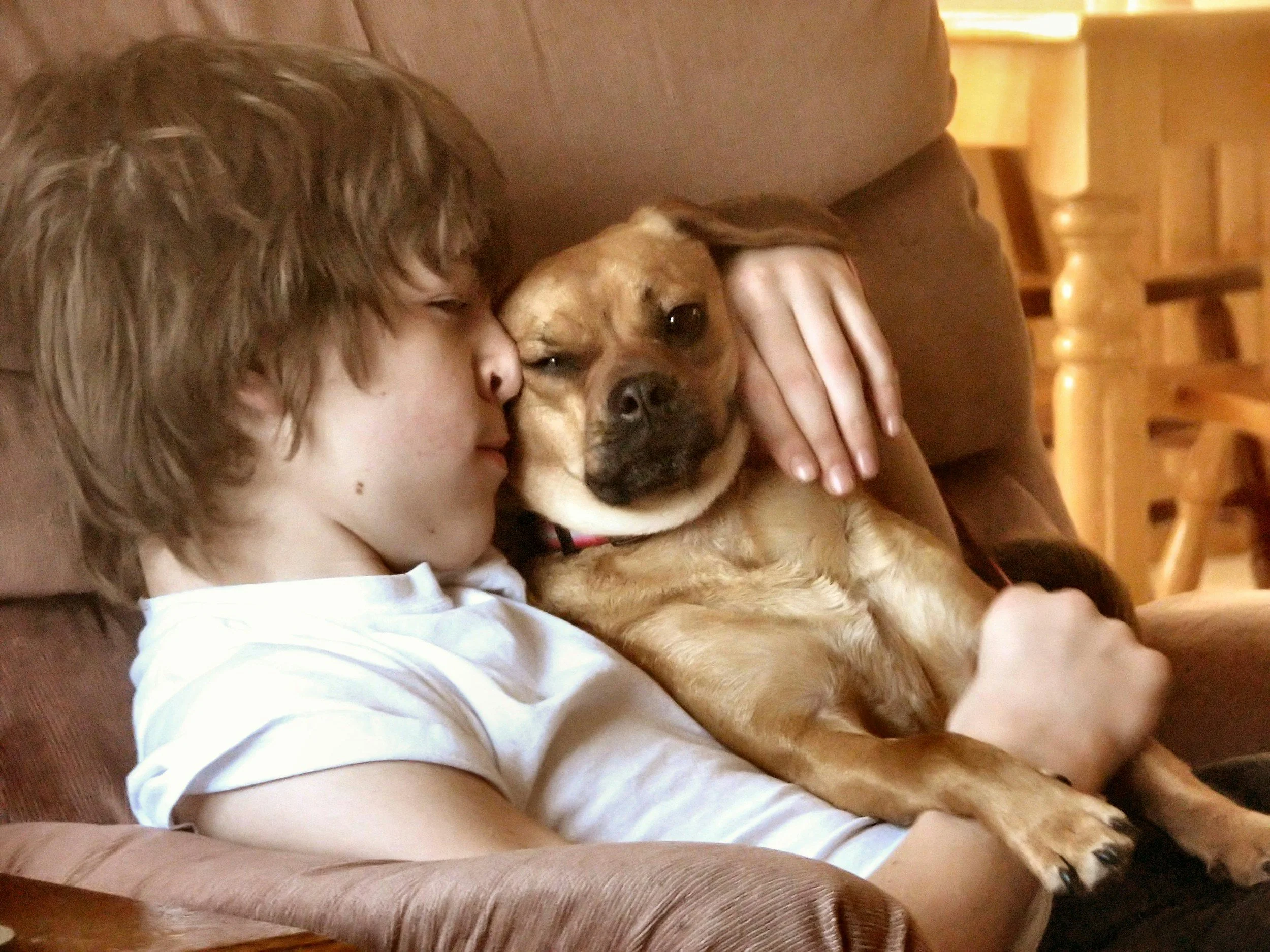
Use direct, age-appropriate language and concrete explanations with children; avoid euphemisms that can confuse them. For young children, say the pet “died” and offer a simple reason, plus reassurance about who will care for surviving pets. For school-age kids, invite questions and creative expressions such as drawing or a memory box. For teens, give space for private processing and offer meaningful ritual options. A simple script for a young child might be: “Fido’s body stopped working and he can’t come back. It’s okay to feel sad.” Activities like reading books about loss, making art, or holding a small family ceremony help children express grief. Watch for signs a child needs extra help—long regressions, disruptive anger, or ongoing sleep problems—and contact a professional if concerns persist.
These child-focused steps tie into family rituals that build shared meaning and help surviving pets adapt, which the next subsection covers.
How Can Families Support Each Other and Other Pets During Grief?
Supporting the household means regular family check-ins, shared memorial acts, and attentive care for surviving animals that may show changes in appetite, sleep, or behavior after a companion’s death. Practical actions include short nightly check-ins to share memories, keeping predictable routines for surviving pets to reduce stress, and offering gentle extra play or enrichment to help animals adjust. Look for common signs of animal grief—withdrawal, clinginess, or changes in elimination—and consult a veterinarian if behaviors continue. Families that coordinate messages, rituals, and caregiving responsibilities create a steadier emotional environment for both people and pets as everyone moves through grief together.
These family strategies set the stage for external supports and resources, described in the section below, which also explains how testimonials and case studies show common healing pathways.
What Resources and Support Systems Complement Pet Loss Healing?
Recovering from pet loss usually combines personal coping, professional counseling, peer groups, and practical services like veterinary aftercare. Knowing what each resource offers helps you assemble the right support network. Below is a concise list of key resource types and how to choose among them, followed by how anonymized case studies can illustrate typical recovery paths and a call-to-action for those ready to pursue structured help.
Professional counseling and structured programs: Provide focused processing and measurable progress toward emotional completion.
Peer support groups and online forums: Offer normalization and shared strategies from others who have been there.
National or local hotlines and crisis lines: Provide immediate help when grief escalates or safety becomes a concern.
Veterinary and aftercare services: Assist with practical matters and often provide referrals or memorial options.
Choose crisis services for immediate safety issues, peer groups for ongoing shared support, and professional counseling for structured, outcome-focused recovery. The next subsection lists common group and hotline formats and how they usually help.
Which Support Groups, Hotlines, and Community Resources Aid Pet Grief Recovery?
A variety of peer and professional resources can complement individual work. Peer groups offer lived-experience empathy, hotlines provide immediate crisis support, and professional directories connect you with clinicians trained in bereavement. Look for weekly peer groups, moderated online forums focused on pet loss, crisis lines for urgent help, and community memorial events that foster connection. When choosing a group, consider who moderates it, how privacy is handled, and whether the group emphasizes compassionate sharing or problem-solving. A good next step is contacting a vetted grief professional or joining a short-term group to see if it fits your needs.
How Can Testimonials and Case Studies Illustrate Successful Healing Journeys?
Anonymized case studies show how structured supports and integrated approaches lead to measurable improvement without sensationalizing pain. Typical vignettes follow challenge, intervention, and outcome to illustrate how change happens. For example, a client overwhelmed by guilt after euthanasia completed a six-session program combining breathwork and narrative processing, which reduced rumination, restored routine, and led to meaningful memorialization. Ethical summaries protect privacy while highlighting practical pathways others have used to move from intense grief toward acceptance and meaning. Reading these stories can reduce isolation and set realistic expectations for recovery timelines and interventions.
For those seeking focused, compassionate care, The Holistic Guides offers a structured 6-session Pet Loss Grief Recovery Program that blends talk therapy with holistic modalities—Reiki, Sound Therapy, Conscious Connected Breathwork, and Clinical Hypnotherapy—in an action-oriented, compassionate framework led by Kimberly Blair. In-person sessions are available in San Diego neighborhoods including La Jolla and Pacific Beach, and virtual sessions are available for remote clients. Options range from single-session stabilization to the full 6-session program for emotional completion; scheduling flexibility and modality choices allow a tailored approach that stays educational and results-focused.
If you’d like an initial consult to see whether a time-limited, structured program fits your needs, consider reaching out to inquire about single-session or program enrollment with a qualified practitioner.
Conclusion
Grieving a pet is a highly personal process, but you don’t have to do it alone. Practical strategies, professional counseling, and community supports can ease the path from acute loss toward lasting remembrance. By naming the stages of grief and applying focused coping tools, many people find solace and renewed meaning. We invite you to explore our structured Pet Loss Grief Recovery Program for compassionate, results-oriented support tailored to your needs. When you’re ready, reach out for a consultation to take the first step toward healing.