Grief Counseling in San Diego — Gentle, Holistic Support for Your Healing Journey
Grief can feel heavy, isolating, and hard to navigate. This page looks at compassionate, practical grief counseling in San Diego and how holistic practices can help. You’ll find clear information on what grief looks like, when it’s time to seek help, and how integrative therapies—alongside traditional counseling—can support recovery. Many people carry grief in ways that affect daily life; grief counseling creates a guided, safe space to understand those changes and build tools for moving forward. We’ll cover different kinds of loss, the benefits of therapy, and specialized local programs, including support for pet loss.
What Is Grief and How Does It Affect You?
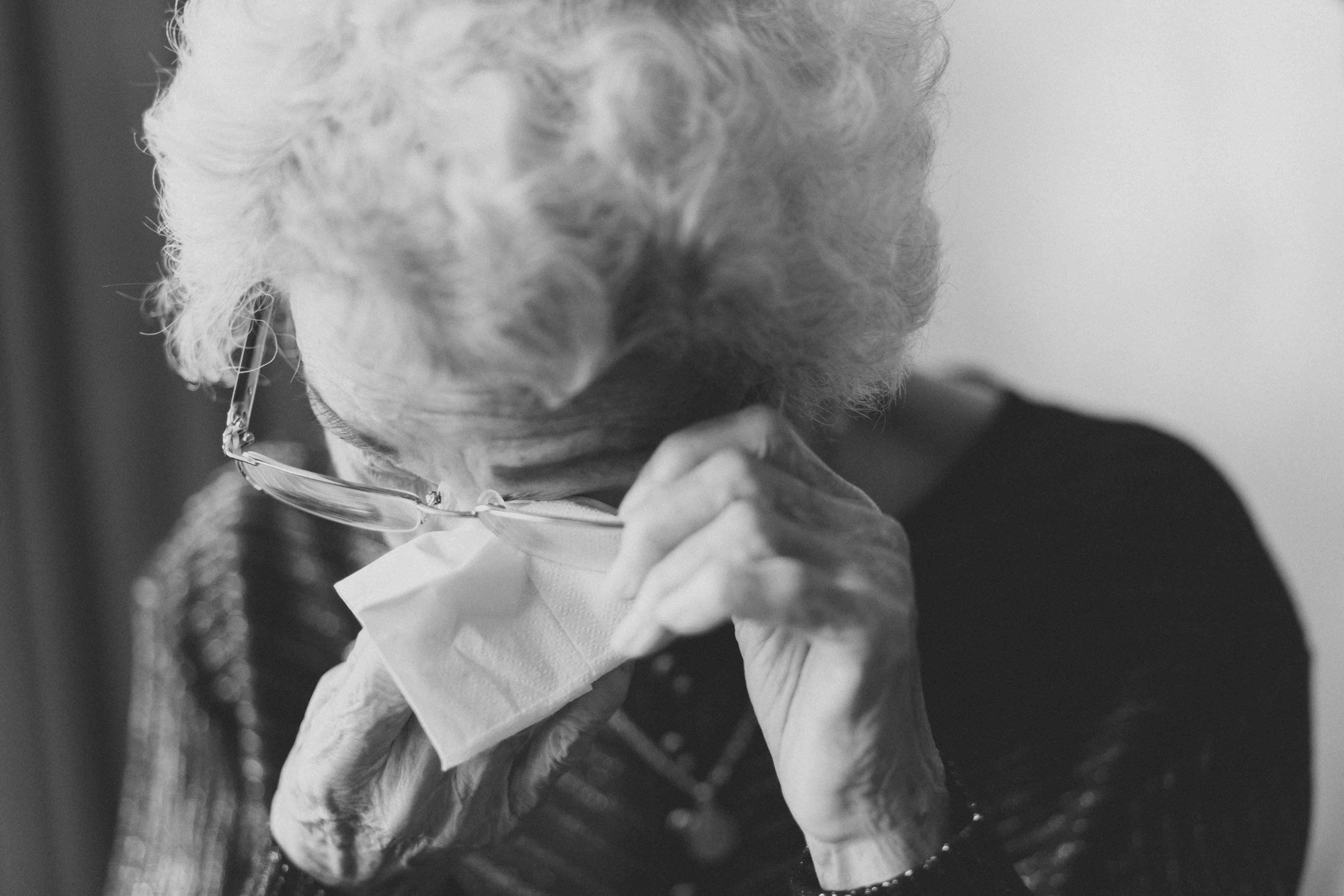
Grief is the natural emotional response to loss and can include sadness, anger, confusion, relief, or a mix of feelings. It shows up after many kinds of loss—death, divorce, health changes, or major life transitions—and affects emotional, physical, and spiritual well‑being. There’s no single timeline: grief unfolds differently for each person and is shaped by relationships, culture, and personal history.
Research increasingly treats grief as a layered experience—psychological, biological, and cultural—rather than a single, predictable process.
Understanding Grief: Psychological, Neuroscientific & Cultural Perspectives This interdisciplinary work describes grief as both an emotional and physiological response to loss and highlights how expressions and courses of grief differ across cultures and individuals. It integrates psychological, neuroscientific, and cultural perspectives to offer a fuller picture of the experience of grief. The science and experience of grief: Psychological, neuroscientific, and cultural perspectives, SA Burke, 2025
What Are the Different Types of Loss and Grief?
Loss comes in many forms, and each can bring its own grief response. Common examples include:
Death of a Loved One: The loss of someone close often triggers deep sadness, longing, and a period of adjustment to life without that person.
Divorce or Relationship Breakup: Ending a significant relationship can leave people feeling disoriented, rejected, or unsure about their identity and future.
Loss of Health: Chronic illness, disability, or major changes in physical ability can cause grief over lost roles, independence, or plans.
Each kind of loss brings distinct emotional and practical challenges, which is why counseling adapts to fit the specific situation.
How Does Grief Impact Emotional, Physical, and Spiritual Well-being?
Grief can touch every part of life. Emotionally, people may experience deep sadness, anxiety, irritability, or numbness. Physically, grief often shows up as fatigue, sleep or appetite changes, headaches, or other stress‑related symptoms. Spiritually, it can prompt questions about meaning, faith, or purpose. Noticing these signs is an important first step toward healing.
When Should You Seek Grief Counseling in San Diego?
Knowing when to reach out matters. Grief counseling offers support, normalization, and strategies for coping—especially when grief feels overwhelming or persistent.
What Are the Signs That Indicate the Need for Professional Grief Support?
Consider professional support if you notice:
Persistent Sadness: Intense sorrow that lasts for many weeks or months and begins to interfere with daily functioning.
Inability to Cope: Difficulty managing work, relationships, or basic self‑care that wasn’t present before the loss.
Physical Symptoms: New or worsening physical problems—like headaches, stomach issues, or sleep disruption—linked to emotional distress.
These signs can be signals that structured support would be helpful.
What Are the Benefits of Grief Counseling and Therapy?
Grief counseling can offer:
Emotional Support: A nonjudgmental space to express what you’re feeling and be heard.
Coping Strategies: Practical tools and routines to manage day‑to‑day life while processing loss.
Personalized Care: Approaches tailored to your situation—reflecting your values, history, and needs.
Accessing professional support often speeds recovery, reduces isolation, and helps people find meaning after loss.
The evidence shows that targeted grief interventions—especially when grief becomes prolonged or complicated—can produce measurable benefits.
Effectiveness of Grief Counseling for Complicated Grief While grief is a normal response to loss, some people experience prolonged high levels of distress often described as complicated grief. Studies report beneficial effects from face‑to‑face therapies—such as grief counseling or cognitive behavioral approaches—particularly for those with extended or intense symptoms. Effectiveness and feasibility of internet-based interventions for grief after bereavement: systematic review and meta-analysis, M Loebner, 2021
How Does Holistic Grief Therapy Support Healing?
Holistic grief therapy combines traditional counseling with mind‑body practices to support healing on multiple levels—emotional, physical, and spiritual. The goal is to address the whole person, not just symptoms.
How Does Reiki Help Calm the Nervous System During Grief?
Reiki is an energy‑based approach that many people find soothing during intense grief. Sessions aim to calm the nervous system, reduce tension, and create a gentle space for emotions to surface and be processed.
What Role Does Sound Therapy Play in Emotional Release?
Sound therapy uses tones—like singing bowls or tuning forks—to create a focused, relaxed state. The vibrations and rhythms can help people access and release emotions that are hard to reach through words alone, supporting emotional clarity and calm.
How Can Breathwork Aid in Processing Grief Somatically?
Breathwork teaches intentional breathing patterns that help you reconnect with your body and safely release held stress or emotion. For many, somatic practices like breathwork make grief feel less trapped in the body and more able to move through.
How Does Hypnotherapy Address Anxiety and Unprocessed Grief?
Hypnotherapy provides a guided way to access subconscious beliefs and feelings related to loss. When used by a trained clinician, it can support reframing painful memories, reduce anxiety, and create pathways for emotional resolution.
What Specialized Grief Support Programs Are Available in San Diego?
San Diego offers a range of targeted grief programs designed for different kinds of loss and stages of healing.
How Does the Pet Loss Grief Program Honor Your Animal Companion?
Our Pet Loss Grief Program recognizes the deep bond people share with their animals. It creates a compassionate space to honor that relationship, share stories, and find community with others who understand the pain of losing a companion.
What Support Exists for Grief Related to Life Transitions Like Divorce or Job Loss?
Grief from life changes—like divorce, job loss, or moving—requires practical and emotional support. Local counselors in San Diego offer targeted groups and individual work that help you process the transition, rebuild routines, and discover new possibilities.
How Is Trauma-Informed Grief Therapy Offered for Complex Grief and PTSD?
Trauma‑informed grief therapy integrates safety, stabilization, and paced processing for those with prior trauma or PTSD. Therapists trained in trauma care create a predictable, secure environment so grief work can proceed without retraumatization.
What Can You Expect During Grief Counseling Sessions?
Knowing the structure of sessions can reduce uncertainty and help you feel more comfortable taking the first step.
What Is the Typical Process and Duration of a Grief Counseling Session?
Most sessions run about 50 minutes to an hour. In that time, a counselor will invite you to share what’s most present, help you identify immediate coping needs, and work with you on goals and practices to support day‑to‑day functioning and healing.
How Are Sessions Personalized to Individual Needs?
Therapy is tailored to your history, values, and how grief shows up for you. Practitioners assess your current challenges and preferences—then combine conversation, skills training, and, when appropriate, holistic modalities to meet you where you are.
A trained grief recovery specialist often acts as a steady companion—offering guidance, validation, and practical steps forward through the healing process.
Grief Recovery Specialist: A Companion on the Healing Journey As a certified Grief Recovery Specialist, many clinicians describe their work as companionship—walking alongside people through loss, holding space for their story, and supporting the next steps toward healing and meaning. Culture of Grief: Journey to Holistic Healing
How to Find and Choose the Right Grief Counselor in San Diego?
Choosing the right counselor matters for trust and progress. Below are practical considerations to help you find a good fit.
What Are the Benefits of Local Versus Virtual Grief Counseling Options?
Both local and virtual care have clear benefits. In‑person counseling can offer stronger rapport and embodied presence, while virtual sessions provide flexibility, access to specialists, and comfort of home. Think about what helps you feel safest and most able to engage.
What Qualifications and Holistic Modalities Should You Look For?
Look for licensed professionals with training in grief and, if you prefer integrative care, certifications in specific holistic modalities. Therapists who blend evidence‑based approaches with mindfulness, energy work, or body‑centered techniques can offer a fuller path to recovery. See our services for details on the modalities we offer.
Different holistic modalities offer complementary benefits; choosing those that align with your comfort and goals can make grief work more effective.
Modality
Description
Benefits
Reiki
Energy-based therapeutic practice
Can soothe the nervous system and promote deep relaxation
Sound Therapy
Uses resonant tones and instruments
Helps release stuck emotions and restore mental clarity
Breathwork
Guided conscious breathing techniques
Supports somatic processing and reconnects body and feeling
Hypnotherapy
Therapeutic access to subconscious patterns
Addresses unresolved grief and reduces anxiety
This table shows how a range of holistic practices can complement counseling—offering multiple pathways to healing and recovery.